
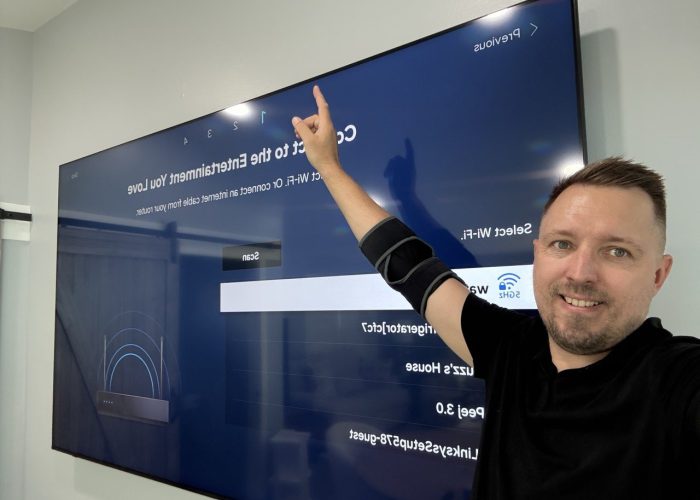
Most people treat a TV mount like an accessory. Something secondary.
In real life, it’s the opposite.
I’ve seen expensive TVs ruined by cheap mounts, great rooms spoiled by bad placement, and perfectly good installs that became uncomfortable simply because one detail was ignored. Choosing the right mount isn’t complicated — but it does require paying attention to the right things.
Let’s talk about those.
First rule: how you watch TV matters more than the TV itself
Before you look at brands, prices, or even mount types, ask yourself one simple question:
How is this TV actually going to be used?
Is it always watched from one couch?
Is it mounted higher than eye level?
Do you need to turn it toward different parts of the room?
Is this a permanent setup or something that might change?
Most bad mount choices come from ignoring this step. People buy a mount that technically “fits,” then live with glare, neck strain, or awkward angles for years.
Mount types — what they’re actually good for
A fixed mount does exactly one thing: it holds the TV flat against the wall.
It works only when the TV is mounted at the correct height and the viewing position never changes. Clean look, zero flexibility.
A tilting mount adds just enough adjustment to fix common problems.
If a TV is mounted a bit too high, a slight downward tilt makes a huge difference. This is often the smartest choice when you don’t need movement but want comfort.
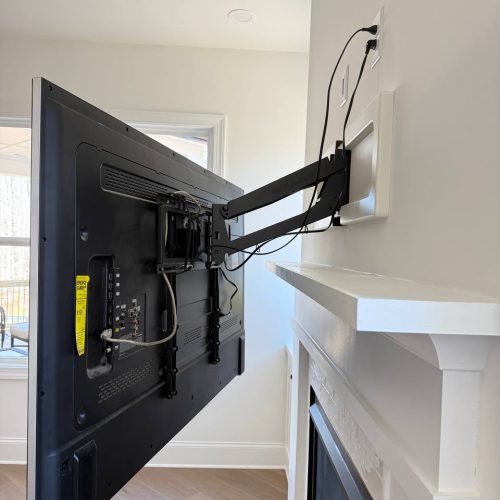
A full-motion (articulating) mount gives you freedom — pull out, swivel, tilt.
Great for open layouts, multiple viewing angles, niches, or tight spaces. The tradeoff is load. These mounts put real stress on the wall, so structure and anchoring matter a lot.
A corner mount is a niche solution, but sometimes the only correct one.
When there’s no usable flat wall, a corner mount lets the TV pivot toward the seating area. They’re more expensive and less forgiving with measurements, but they solve problems nothing else will.
A mantel mount is built for one situation: TVs over fireplaces.
It allows the TV to move vertically — down for viewing, up when not in use. Without this type of mount, fireplace installs are almost always too high and uncomfortable. These mounts demand careful attention to weight, depth, and clearances. Guessing here is a mistake.
VESA: the detail that actually decides everything
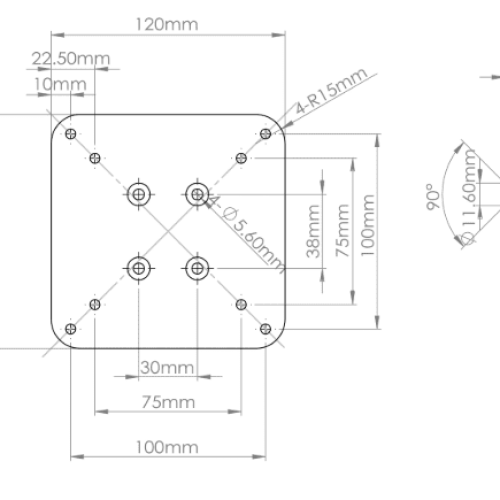
VESA is the distance between the mounting holes on the back of the TV, measured in millimeters.
This number matters more than screen size, brand, or marketing labels.
In the U.S., most TVs between 55 and 85 inches use VESA 600 × 400. That’s why mounts for this size are easy to find and reasonably priced.
But some TVs don’t follow the norm.
You’ll occasionally see 800 × 400 or 800 × 600 patterns. When that happens, options shrink fast and prices go up. Many people only discover this after buying a mount that doesn’t fit.
Always check the exact VESA pattern before buying anything. There’s no workaround for getting it wrong.
Pricing: what’s normal and what isn’t
Basic fixed and tilting mounts are inexpensive.
Full-motion mounts cost more because they’re doing more work.
Corner and fireplace mounts cost more because they solve specific problems.
Once you add large TVs, heavy weight, or non-standard VESA, prices climb quickly — sometimes into the hundreds. That’s normal. It’s not about brand hype; it’s about engineering and load capacity.
If something seems unusually cheap for a big, heavy TV, that’s usually a red flag.
Measurements matter more than people think
Any time a TV needs to come off the wall — out of a niche, from a corner, or past architectural features — measurements are critical.
You need to know:
• how far the TV must extend
• where the screen needs to end up
• how much margin you actually have
Being off by even an inch or two can turn a “perfect” mount into something unusable or unsafe. This is one of the most common mistakes people make.
The real takeaway
There’s no universally “best” TV mount.
There’s only the right mount for:
• how you watch TV
• where it’s mounted
• what your TV actually weighs
• and what VESA pattern it uses
Get those right, and the mount disappears from your life.
Get them wrong, and you’ll notice it every single day.
That’s the difference experience makes.